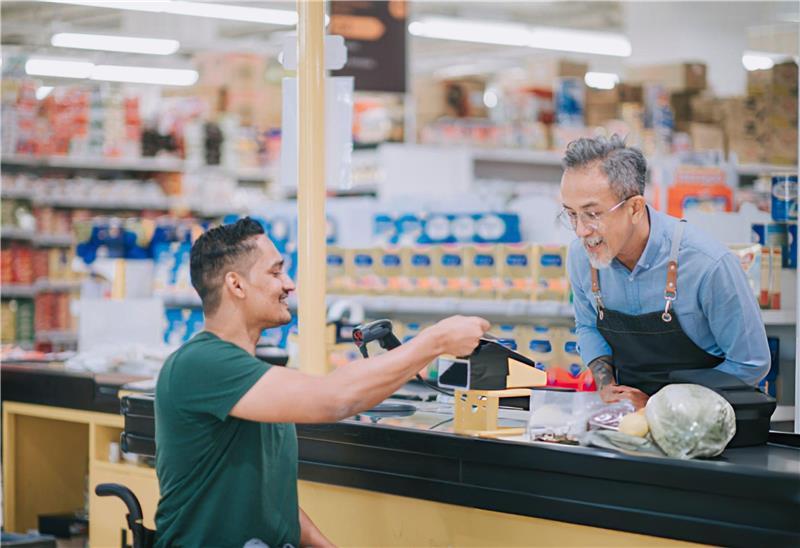
In today’s diverse society, accessibility in retail is not just a compliance issue; it’s a vital part of delivering a positive customer experience. As retailers strive to cater to a broad audience, ensuring that their products and services are accessible to everyone, including individuals with disabilities, becomes paramount. This blog will explore practical solutions to the common accessibility challenges faced by retailers, emphasizing the need for an inclusive shopping experience that benefits all customers.
Understanding Accessibility Needs in Retail
To effectively enhance accessibility in retail, it is essential to understand the specific needs of various customer groups. Engaging individuals with disabilities in the design and improvement processes can provide invaluable insights. This understanding helps retailers create an environment that genuinely addresses accessibility concerns, ensuring a better shopping experience for everyone.
Implementing Universal Design Principles
Universal design is a philosophy that advocates for creating products and environments that are usable by all people, regardless of their abilities. By applying universal design principles in retail, businesses can:
- Create flexible product displays that are accessible to everyone.
- Design checkout systems that accommodate diverse needs.
- Ensure that websites are navigable and understandable for all users.
Integrating universal design into both physical stores and e-commerce platforms can lead to a more inclusive retail environment.
Enhancing Physical Store Accessibility
Improving physical accessibility in retail locations involves several practical steps:
- Install ramps and automatic doors to facilitate access for individuals using wheelchairs or mobility aids.
- Create clear and visible signage that includes Braille and large print to guide all customers.
- Ensure adequate aisle space and comfortable seating areas to accommodate those who may need to take breaks while shopping.
Additionally, staff training is crucial. Retail employees should be equipped with the knowledge and skills to assist customers with disabilities effectively, fostering a welcoming atmosphere for all.
Improving Digital Accessibility
Making e-commerce platforms accessible is essential for reaching all customers. Retailers can implement the following strategies:
- Utilize accessible web design practices, such as maintaining proper color contrast and providing alt text for images (e.g., product photos).
- Implement keyboard navigation and screen reader compatibility to ensure that all customers can navigate the website with ease.
- Regularly use accessibility testing tools to identify and address potential issues, ensuring a seamless online shopping experience.
Employing tools like a website accessibility checker or an online accessibility tool can significantly improve the overall accessibility of digital platforms.
Compliance with Legal Standards
Compliance with regulations such as the Americans with Disabilities Act (ADA) and the Web Content Accessibility Guidelines (WCAG) is crucial for retailers. Here are steps retailers can take to ensure compliance:
- Familiarize themselves with WCAG guidelines and implement necessary changes to both physical and online stores.
- Regularly conduct accessibility audits to assess compliance levels.
Utilize a WCAG compliance checker to maintain standards and identify areas for improvement, avoiding potential legal consequences.
Financial Strategies for Accessibility Improvements
While improving accessibility may seem costly, there are financial strategies that retailers can explore:
- Seek grants and funding opportunities specifically aimed at enhancing accessibility.
- Consider incremental improvements rather than a complete overhaul, allowing smaller retailers to budget effectively.
- Leverage existing resources, such as software updates, to enhance accessibility without significant investment.
Building Awareness and Training Programs
Ongoing training for retail staff on accessibility best practices is vital. Retailers can create awareness programs that inform customers about available accessibility features. Training should focus on:
- Recognizing different disabilities and understanding their unique needs.
- Providing exceptional service to all customers, regardless of their abilities.
Leveraging Technology for Enhanced Accessibility
Technology plays a crucial role in enhancing retail accessibility. Retailers can utilize:
- Mobile apps that provide accessibility information, such as store layouts and accessible product options.
- Voice recognition and text-to-speech tools for online shopping, making it easier for customers with disabilities to navigate websites and complete purchases.
Many companies have successfully implemented these technologies, demonstrating their commitment to accessibility.
Fostering a Culture of Inclusion
Creating a culture of inclusion within retail requires ongoing engagement with customers who have disabilities. Retailers should encourage feedback on their accessibility efforts and be open to suggestions for improvement. This inclusive approach not only enhances customer satisfaction but also builds brand loyalty.
Towards an Inclusive Future in Retail
In summary, implementing solutions to enhance accessibility in the retail industry is essential for creating an inclusive shopping experience. Retailers are encouraged to invest in accessible technology and practices that cater to a diverse audience.
For those looking to evaluate and improve their accessibility, NavEase offers solutions that can help retailers enhance their online presence. We invite you to try our free accessibility scan to ensure your retail platform is accessible to all.
Leave a Reply