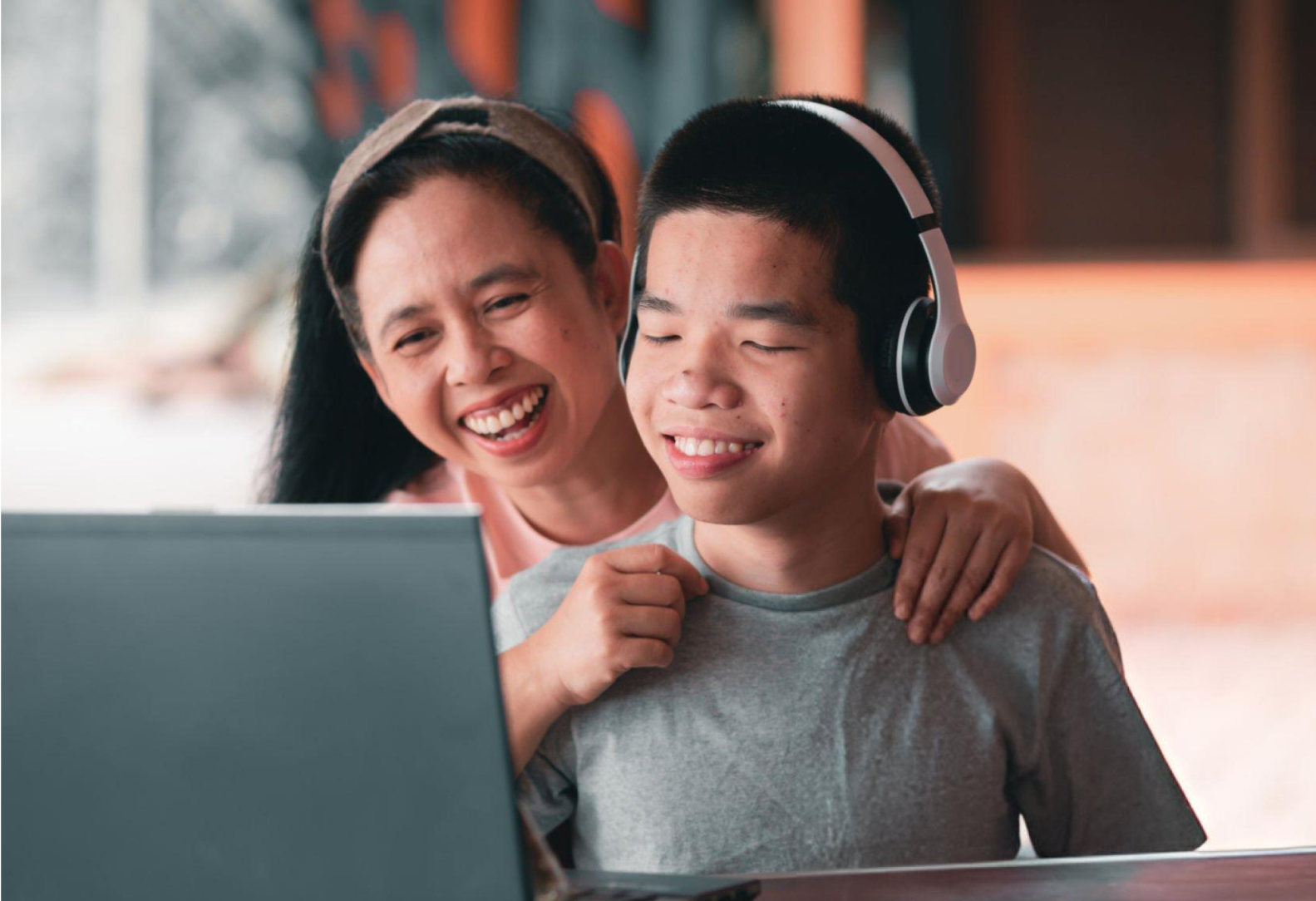
The rapid transformation of education into the online sphere has opened doors for millions of learners worldwide. However, as highlighted in the previous blog, the shift has also illuminated critical accessibility challenges faced by students with disabilities. With an expected global e-learning market growth to over $370 billion by 2026, the urgency to make online education inclusive has never been more pronounced. Addressing these challenges is not merely a compliance issue; it’s a fundamental requirement for ensuring equitable access to learning opportunities.
This blog aims to provide actionable solutions for educational institutions to overcome the accessibility barriers in online learning. By implementing these strategies, institutions can create an inclusive environment where all students can thrive, regardless of their abilities.
1. Implementing Accessible Design Principles
One of the most effective ways to overcome accessibility challenges is to integrate accessible design principles into the development of online learning platforms. Here are some key considerations:
a. Use Clear Navigation Structures
Creating a straightforward and intuitive navigation structure is crucial for ensuring that all users can find the content they need. Utilize consistent headings, subheadings, and logical progression in course materials to enhance navigability. Include descriptive labels for buttons and links to provide context.
b. Optimize Multimedia Content
Multimedia plays a significant role in online education, but it must be accessible to all learners. Ensure that:
- Videos include captions and transcripts: This aids students with hearing impairments and allows all students to revisit key information.
- Images have descriptive alt-text: This helps visually impaired students understand the context of visual content.
c. Choose Accessible Color Schemes
Color contrast is vital for readability. Use high-contrast color schemes for text and background elements to ensure that visually impaired users can read the content easily. Avoid relying solely on color to convey information; instead, incorporate text labels and patterns as additional cues.
2. Integrating Assistive Technologies
Seamless integration of assistive technologies into online learning platforms is essential for providing an inclusive educational experience. Consider the following approaches:
a. Ensure Compatibility with Assistive Tools
Online platforms should be compatible with screen readers, braille displays, and other assistive devices. Regular testing with these technologies will help identify and rectify compatibility issues.
b. Provide Keyboard Navigation Options
For students with motor disabilities, keyboard navigation is crucial. Implement shortcuts and keyboard-accessible menus to enhance the usability of the platform. Ensure that all interactive elements are reachable via keyboard controls.
c. Utilize Voice Recognition Software
Incorporate voice recognition capabilities to allow students to interact with the platform without relying solely on traditional input methods. This feature can empower students who face physical challenges.
3. Standardizing Accessibility Practices
Inconsistent adoption of accessibility standards can hinder progress toward inclusive online learning environments. Here’s how to standardize practices:
a. Adhere to WCAG Guidelines
Adopting the Web Content Accessibility Guidelines (WCAG) provides a comprehensive framework for ensuring digital accessibility. Educational institutions should commit to following these guidelines consistently across all platforms and content types.
b. Conduct Regular Accessibility Audits
Regular accessibility audits can help identify gaps in compliance with WCAG standards. By using automated web accessibility evaluation tools, institutions can efficiently assess their platforms and address issues promptly.
c. Foster Collaboration Between Departments
Collaboration between technical teams, educators, and administrators is vital for creating an inclusive online environment. Establish accessibility committees to oversee compliance efforts and share best practices across departments.
4. Providing Training and Resources for Educators
Enhancing educators’ knowledge and skills related to accessibility is essential for creating an inclusive learning experience. Consider the following approaches:
a. Develop Targeted Professional Development Programs
Invest in professional development programs that focus on accessibility best practices. Workshops, webinars, and training sessions can equip educators with the necessary tools to create accessible content.
b. Create Accessible Content Templates
Providing educators with templates for accessible documents, presentations, and assessments can simplify the process of creating inclusive materials. These templates should incorporate best practices for accessibility and be readily available for use.
c. Foster a Culture of Awareness
Encourage a culture of awareness regarding the importance of accessibility. Promote success stories and highlight the impact of inclusive practices on student engagement and achievement.
5. Addressing Financial and Resource Constraints
Financial limitations can often hinder institutions’ efforts to enhance accessibility. Here are strategies to navigate these constraints:
a. Explore Funding Opportunities
Educational institutions should explore grants and funding opportunities specifically aimed at improving accessibility. Many organizations and foundations provide financial support for initiatives focused on inclusive education.
b. Prioritize Accessibility in Budget Planning
Incorporate accessibility considerations into budget planning and resource allocation. Allocating funds for necessary tools, training, and technology upgrades can yield long-term benefits for all students.
c. Leverage Cost-Effective Tools
Utilize affordable accessibility evaluation tools and resources to streamline the assessment and improvement process. While initial investments may seem daunting, they can lead to significant returns in terms of student success and engagement.
6. Creating a Supportive Community for Students
Fostering a supportive community for students with disabilities is essential for promoting engagement and participation. Here are ways to build this community:
a. Encourage Peer Support Networks
Establish peer support networks that connect students with disabilities to one another. These networks can provide a platform for sharing experiences, resources, and strategies for navigating online learning.
b. Offer Inclusive Communication Channels
Ensure that communication channels are accessible to all students. Provide multiple avenues for feedback, questions, and support, such as discussion forums, chat features, and direct email communication.
c. Celebrate Diversity and Inclusion
Promote diversity and inclusion through awareness campaigns and events. Celebrate the contributions of students with disabilities and create opportunities for them to showcase their talents and achievements.
7. Continuous Improvement and Feedback Loop
Creating an accessible online learning environment is an ongoing process. Educational institutions should establish a feedback loop to ensure continuous improvement:
a. Solicit Feedback from Students
Encourage students to share their experiences and suggestions regarding accessibility. Use surveys, focus groups, and feedback forms to gather insights and identify areas for improvement.
b. Monitor Progress and Adapt Strategies
Regularly monitor the effectiveness of implemented accessibility strategies and adapt them as needed. Stay informed about emerging best practices and technologies to ensure that the institution remains at the forefront of accessibility efforts.
c. Share Best Practices with the Community
Share success stories and best practices within the educational community. Collaboration and knowledge sharing can inspire others to take meaningful steps toward enhancing accessibility.
Conclusion
As online learning continues to evolve, the need for accessibility remains a non-negotiable priority. By implementing these practical solutions, educational institutions can overcome the challenges of accessibility and create inclusive environments where all students can thrive.
With the right tools and resources, like NavEase’s accessibility evaluation solutions, institutions can identify gaps and work toward improvements that ensure equitable access to quality education. Embracing a culture of inclusivity and prioritizing accessibility not only benefits students with disabilities but enriches the educational experience for all learners.
Leave a Reply