Author: NavEase Lab
-

Empowering Retail: Solutions for Accessible Shopping Experiences
In today’s diverse society, accessibility in retail is not just a compliance issue; it’s a vital part of delivering a positive customer experience. As retailers strive to cater to a broad audience, ensuring that their products and services are accessible to everyone, including individuals with disabilities, becomes paramount. This blog will explore practical solutions to…
-

The Clock is Ticking: Why eCommerce Accessibility Can’t Be Ignored
eCommerce has transformed the way consumers shop, providing unprecedented convenience and access to products from around the globe. However, this shift comes with a critical responsibility: ensuring that online shopping experiences are accessible to all, including individuals with disabilities. According to the World Health Organization, approximately 15% of the global population lives with some form…
-

Accessibility in Fintech: Will Your Business Thrive or Dive by 2025?
Explore the challenges of web accessibility in fintech and discover best practices to ensure compliance and inclusivity for users with disabilities.
-
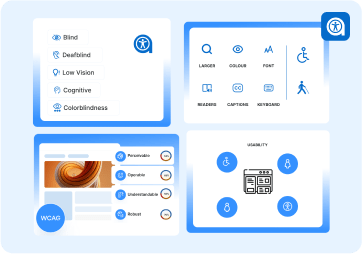
Why is Web Accessibility important in 2025?
Did you know that approximately 15% of the world’s population, or over 1 billion people, live with some form of disability? In the digital age, where websites and online services play an increasingly integral role in our daily lives, ensuring accessibility for all users is not just a moral imperative but a practical necessity.
-
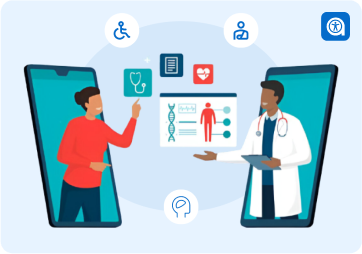
Why Accessibility in Healthcare Websites Matters?
In today’s digital age, where nearly every service is just a click away, the importance of accessibility cannot be overstated. Websites serve as critical gateways to information, services, and resources, especially in the healthcare sector. The significance of accessible websites grows exponentially when considering that 1 in 4 adults in the U.S. lives with a…
-

Emerging Trends and Best Practices in Digital Accessibility for 2024
Digital accessibility refers to the practice of designing and developing digital platforms—such as websites, mobile apps, and other online tools—in a way that makes them usable by everyone, including people with disabilities. This encompasses a broad range of disabilities, including visual, auditory, physical, speech, cognitive, and neurological impairments. The goal of digital accessibility is to…