Author: NavEase Lab
-

The Web Limitations Holding Back Education Platforms
The global online education market has experienced explosive growth in recent years, expected to reach $375 billion by 2026. From K-12 to corporate upskilling, digital platforms have become the go-to medium for delivering education at scale. This shift has opened doors for flexible learning, yet it has also sparked a growing demand for more tailored,…
-
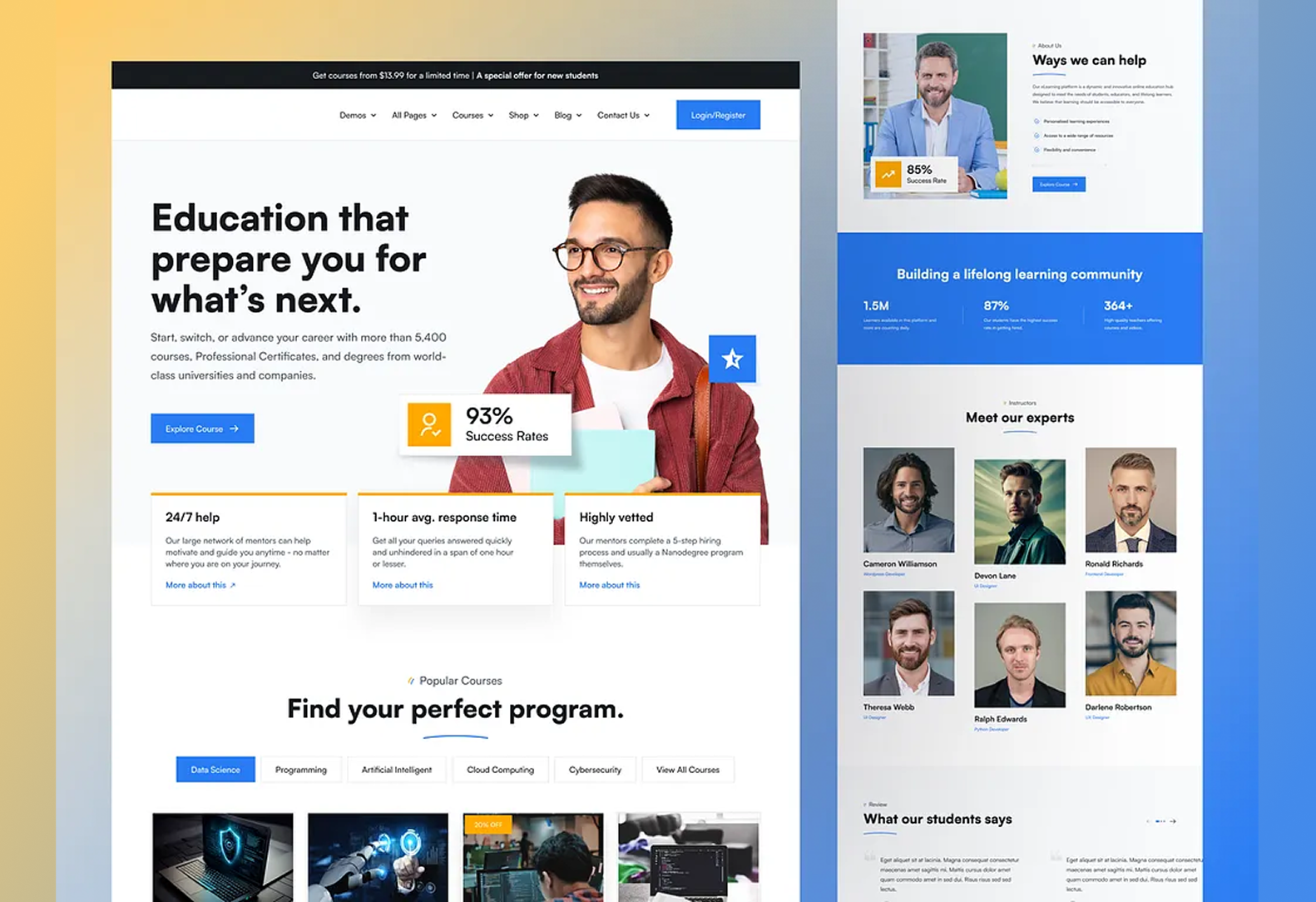
Creating Learner-First Education Platforms
Despite the explosion of online learning, many education platforms continue to fall short when it comes to delivering personalized experiences. As explored in our previous blog, rigid architectures, limited integrations, and accessibility gaps have made it difficult to meet the diverse needs of modern learners. But the good news? These limitations aren’t unsolvable—they’re design and…
-
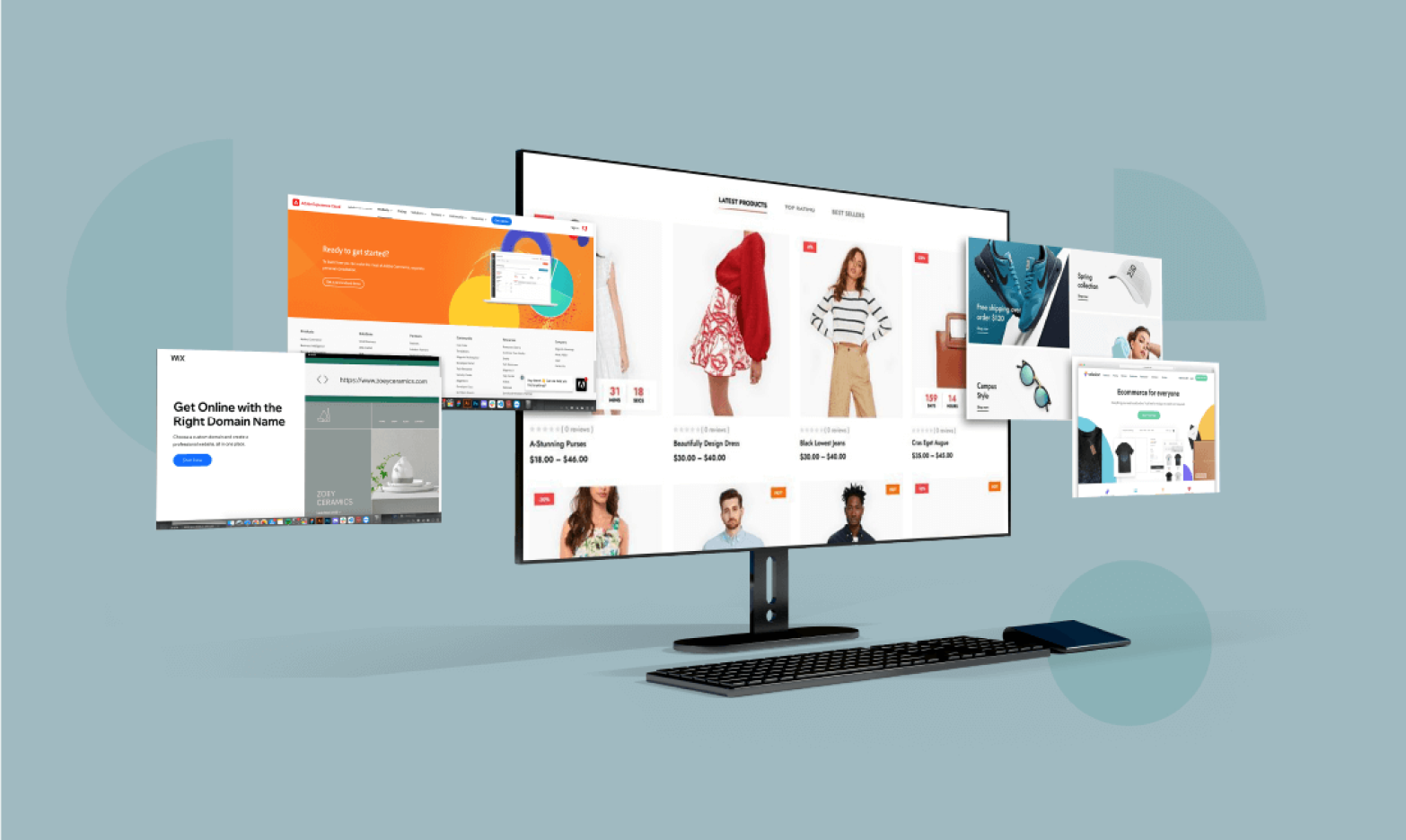
Building Future-Proof E-Commerce Websites: Strategies for Seamless Growth
In the fast-evolving digital marketplace, a future-proof e-commerce website is one that can seamlessly scale, adapt to new technologies, and withstand market shifts without compromising performance. It ensures that as traffic grows, product catalogs expand, and customer expectations evolve, the platform remains efficient, secure, and user-friendly. Without this adaptability, businesses risk slow load times, operational…
-

The Scalability Dilemma: Why E-Commerce Websites Struggle to Grow and Adapt
Scalability is the backbone of a thriving e-commerce business. As online stores expand, they must handle increasing traffic, larger product catalogs, and growing customer demands without compromising performance. However, many e-commerce websites struggle to scale efficiently, leading to slow load times, frequent crashes, and poor user experiences—issues that can significantly impact revenue. In fact, a…
-

Fintech Platform Optimization: Choosing Between Migration, Upgrade, or Rebuild
Fintech companies operate in a fast-moving digital landscape where outdated web platforms can become a major roadblock to growth, security, and user experience. Studies show that 79% of users will abandon a slow or poorly functioning fintech app—making it critical for financial services to assess whether their web infrastructure can keep up with evolving demands.…
-
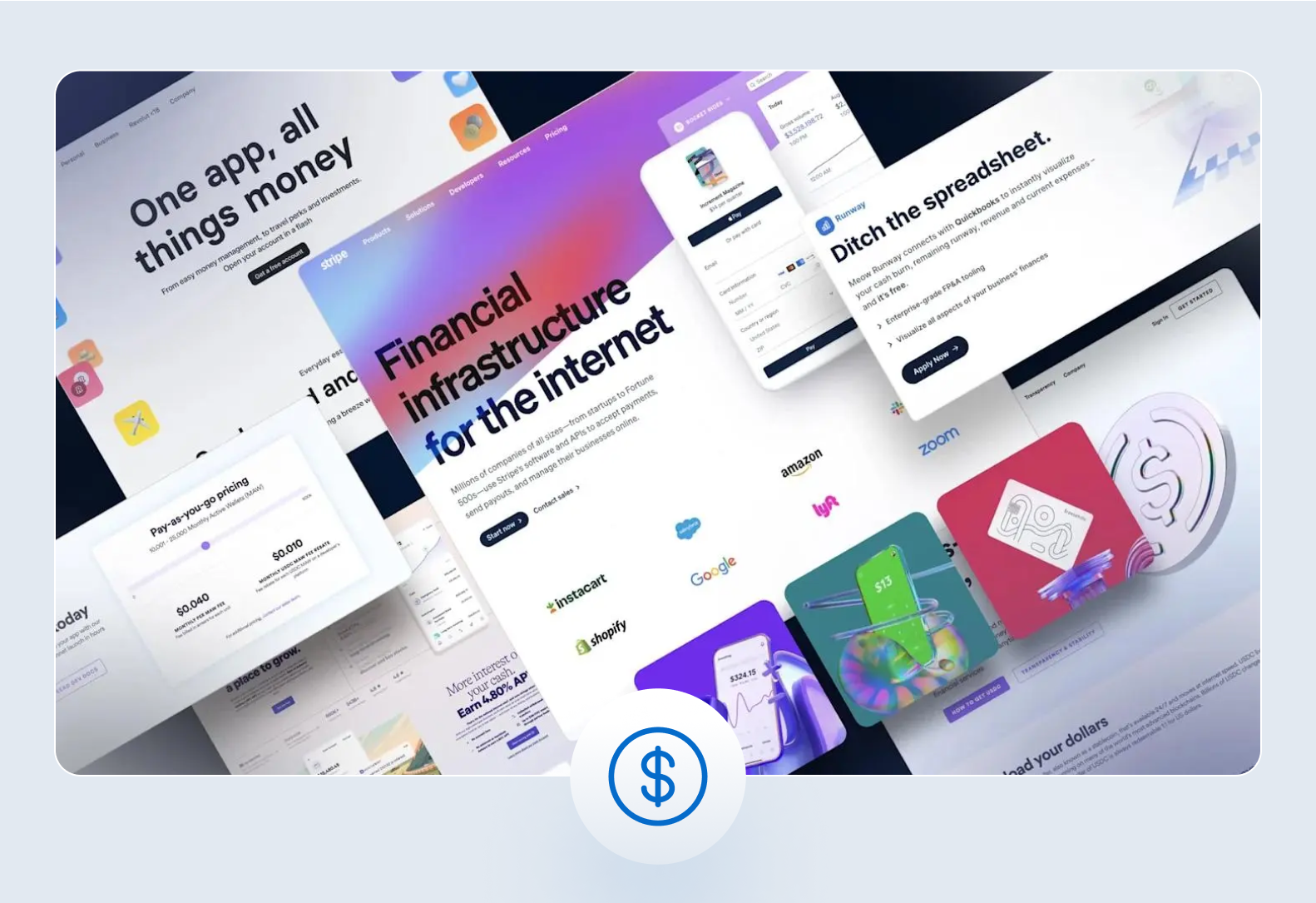
Monolithic Web Woes: Why Fintech Firms Struggle with Custom UX & Accessibility
In the fast-paced world of fintech, user experience (UX) can make or break customer retention. However, many fintech firms struggle to deliver customized, seamless digital experiences due to their reliance on monolithic web architectures. These rigid, all-in-one structures make it difficult to introduce personalized features, optimize web performance, or implement accessibility enhancements—all of which are…
-
How Much Does a Custom Website Cost? Factors & Pricing Breakdown
A well-developed website is more than just an online presence—it’s a critical asset that can drive business growth, enhance brand credibility, and improve customer engagement. In fact, 75% of consumers judge a company’s credibility based on its website design. Whether you’re building a simple business website or a feature-rich eCommerce platform, the right development approach…
-
The Accessibility Imperative:Will Your Fintech Thrive or Dive in 2025?
In today’s digital era, fintech has become a critical pillar of the financial services industry, offering everything from online banking and investment management to digital payments and insurance. As fintech continues to grow, ensuring web accessibility is more important than ever. Accessibility in fintech isn’t just about meeting legal standards; it’s about making financial services…
-
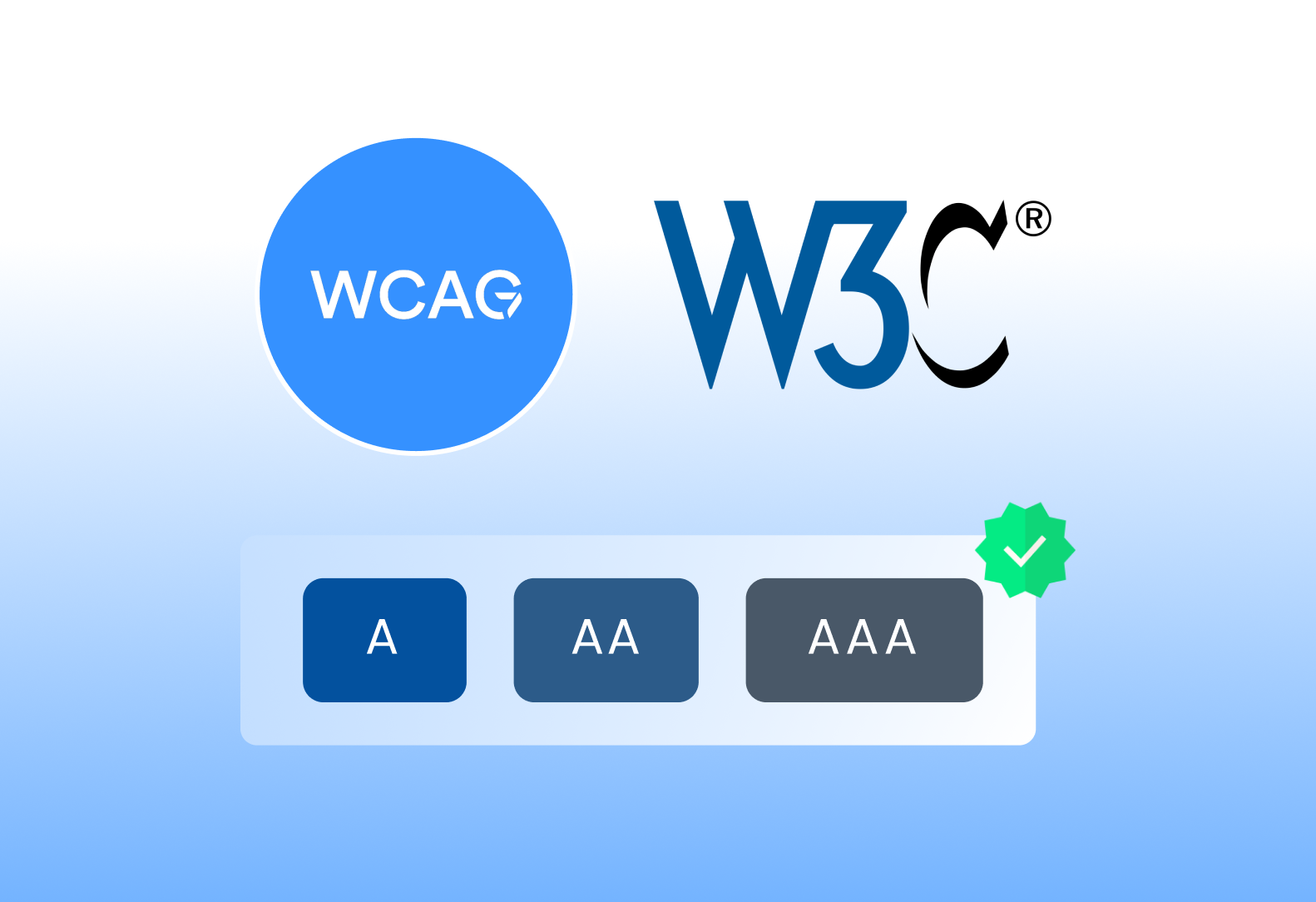
Understanding WCAG 2.2: A Guide to Web Accessibility Standards
The digital world has become an essential part of our daily lives, making web accessibility more critical than ever. According to the World Health Organization, over 1 billion people—approximately 15% of the global population—experience some form of disability. For these individuals, navigating the web can be a challenging experience if websites are not designed with…
-
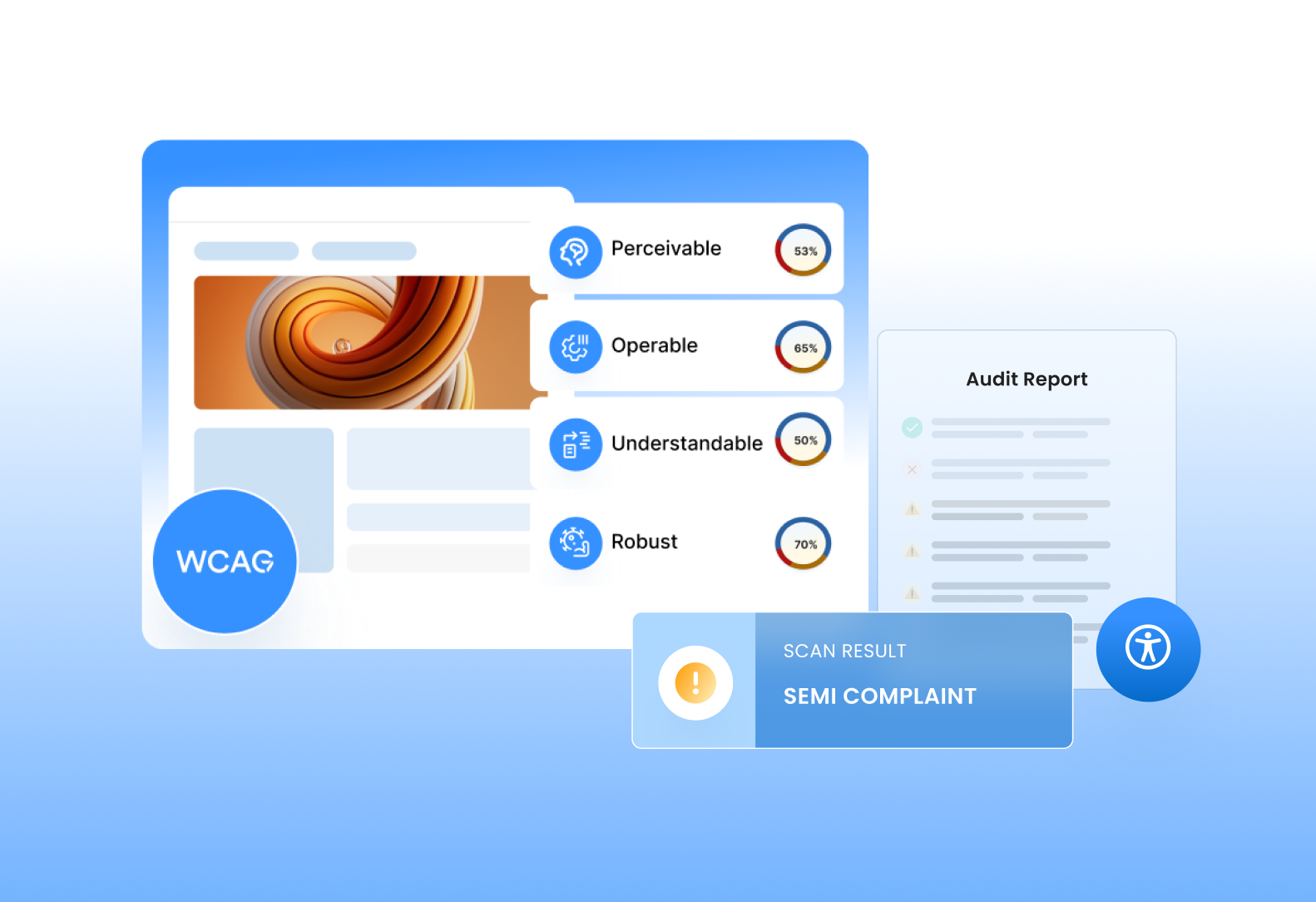
The Web Design Mistakes You’re Probably Making – And How to Avoid Them
In today’s digital-first world, web accessibility is no longer a luxury but a necessity. Over one billion people globally experience some form of disability, accounting for approximately 15% of the world’s population. Without accessible design, a significant portion of users could face barriers in accessing essential online services, from shopping and banking to education and…